

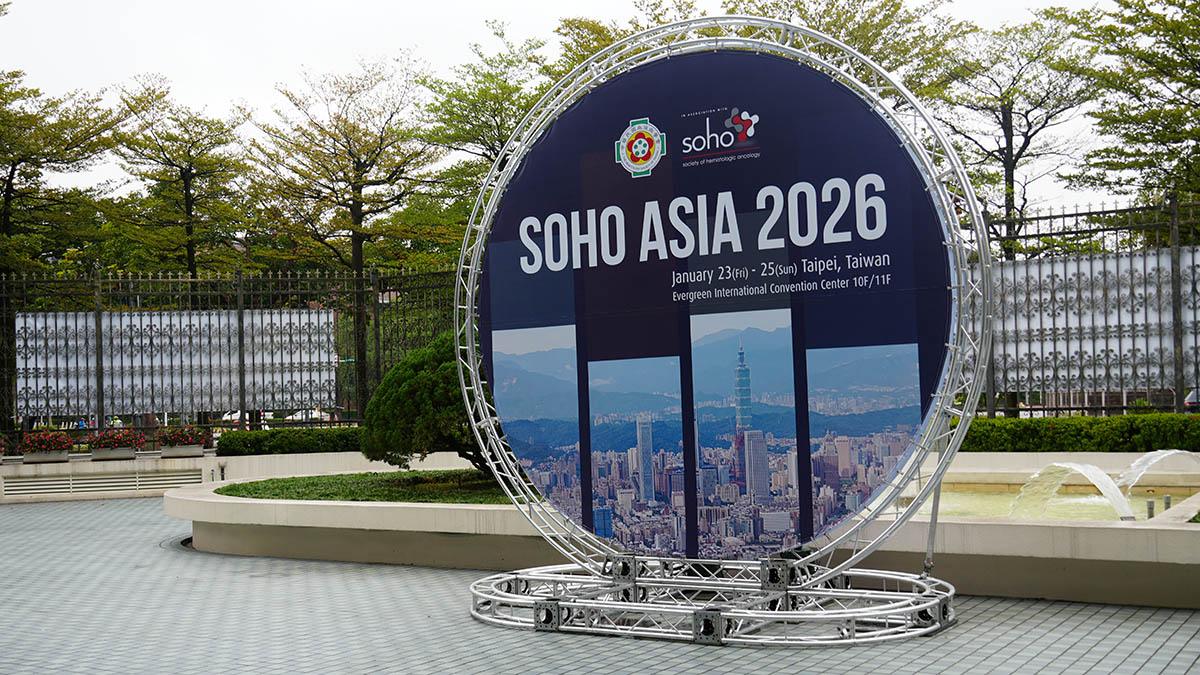
The inaugural SOHO Asia meeting marked an important step toward strengthening hematology education and collaboration across the Asia-Pacific region, according to meeting leaders.
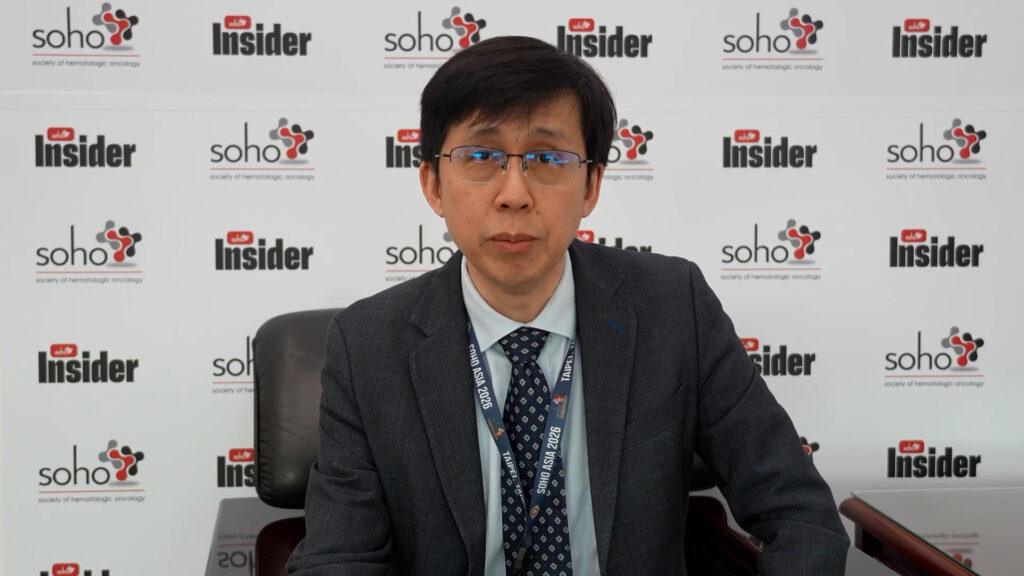
“The Asia-Pacific area has a growing economy and a large population, but there are many differences in socioeconomic status and healthcare systems,” said Bor-Sheng Ko, MD, director of the Department of Hematological Oncology at the National Taiwan University Cancer Center in Taipei, in an interview with SOHO Insider. “Some countries have full national health insurance coverage, such as Taiwan, Japan, Korea, and Australia, while other countries face limitations in access to high-cost medicines.”
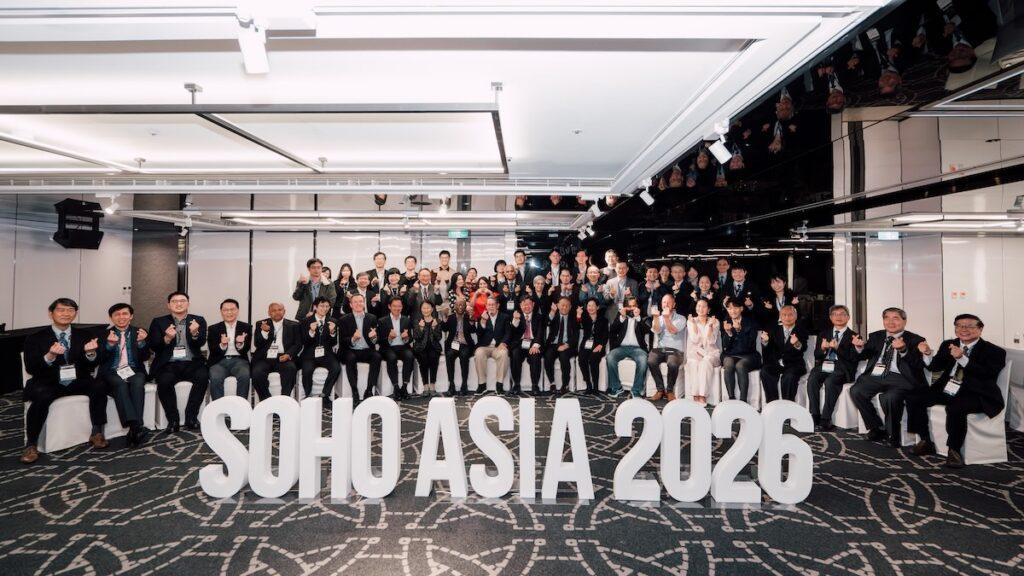
The meeting, which was organized by Dr. Ko in less than six months, drew about 400 attendees from across the world and featured some of the leading hematologists in the world, including those from University of Texas MD Anderson, Dana-Farber Cancer Institute, National Taiwan University Hospital, and Singapore General Hospital.
“We had physicians not only from Taiwan, but also from Malaysia, Singapore, Hong Kong, Japan, Korea, Australia, and India,” Dr. Ko, who is also the president of the Hematology Society of Taiwan, said. “Many colleagues said they were very impressed because they could exchange opinions with top experts on hematologic disease treatment.”
SOHO Asia was created to address the unique needs of the Asia-Pacific region, which includes a large and diverse patient population and wide disparities in healthcare access.
“Those differences create a need for region-specific education on how to use novel therapies in daily clinical practice, Dr. Ko said.
“We have different requirements in Asia-Pacific, and we need to understand how to utilize these novel medications in real-world care,” Dr. Ko said.
Major international hematology meetings are often inaccessible to younger physicians in the region due to cost and limited institutional support, Dr. Ko said.
“For young staff, it is very hard to get support to attend meetings like ASH or SOHO,” Dr. Ko said. “We felt this meeting could be more educational and more practical for physicians in this region,” Dr. Ko said.
Looking ahead, Dr. Ko identified access to novel therapies and region-specific biology as key areas of focus.
Dr. Ko said healthcare systems can delay the introduction of novel drugs into daily clinical practice, despite promising results.
Certain diseases, such as T-cell lymphomas, may have unique biological features in Asian populations that are underrepresented in global research, Dr. Ko said.
“We need more collaboration between Asia-Pacific experts and Western experts to facilitate research and improve care for these diseases,” Dr. Ko said.
Hsin-An Hou, MD, a SOHO Asia co-organizer and professor and attending physician in the Division of Hematology in the Department of Internal Medicine at National Taiwan University Hospital in Taipei, underscored the importance of regional collaboration, noting that the diversity of the Asia-Pacific region makes shared learning essential.
“The Asia-Pacific region has a very large and very diverse patient population,” Dr. Hou said. “In many areas, there are still limitations in testing, diagnosis, and treatment, so it is very important that we work together to improve patient care.”
Dr. Hou said Taiwan has strong capabilities in the treatment of hematologic malignancies but noted that limitations remain and broader collaboration is needed.
“We have sound treatment in Taiwan, but there are still limitations,” Dr. Hou said. He added that the group hopes to collaborate with SOHO and partners across the Asia-Pacific region to improve patient care.
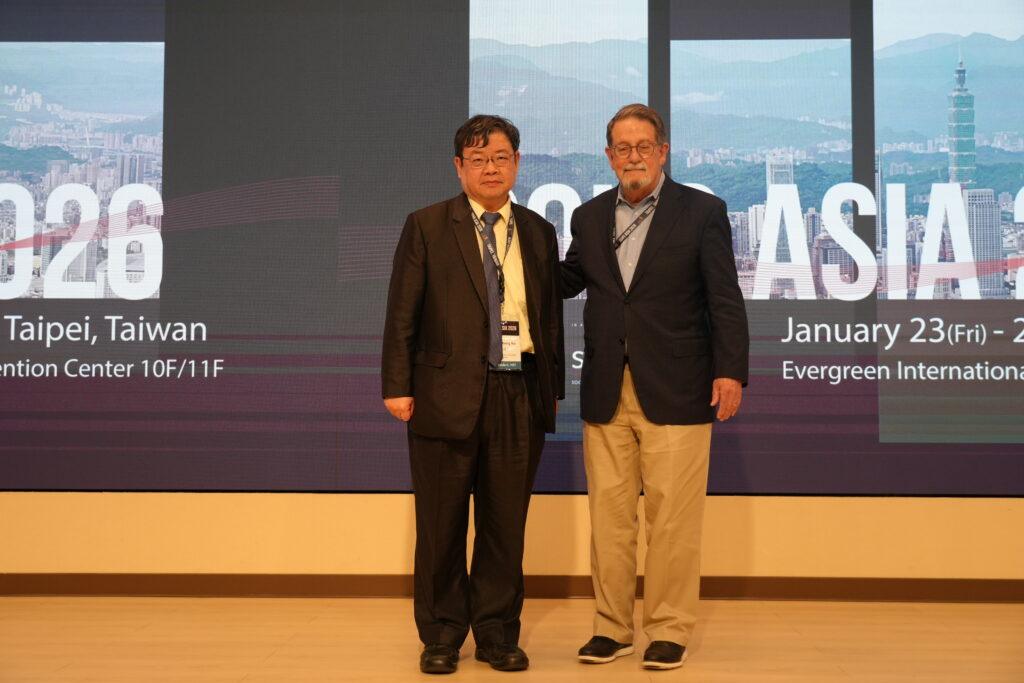
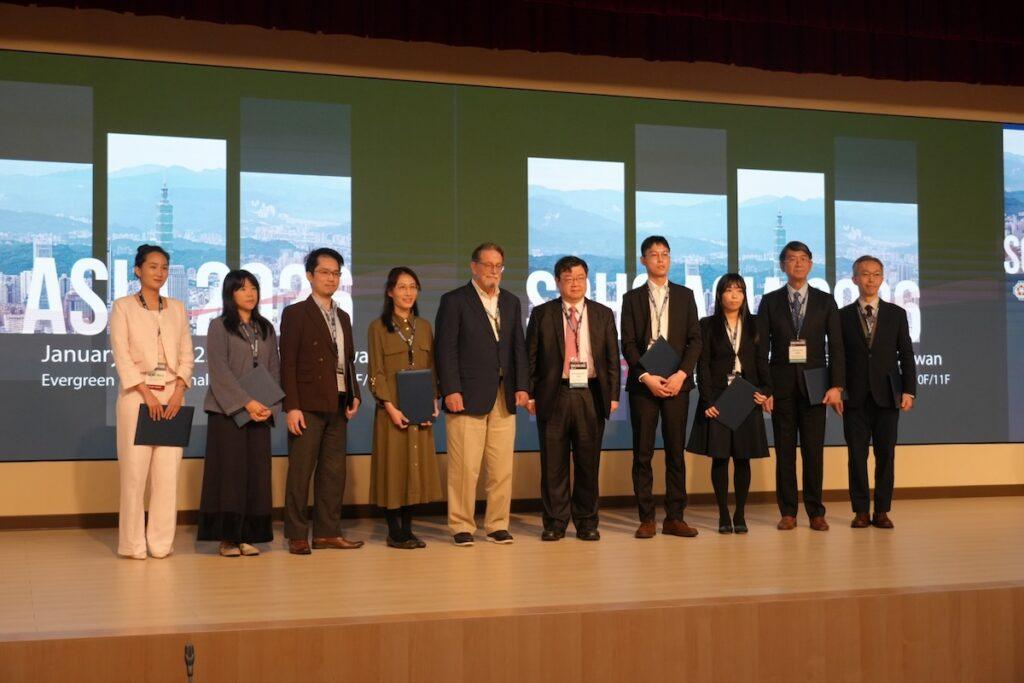
During the meeting’s closing remarks, SOHO President John DiPersio, MD, PhD, said the meeting successfully brought together global scientific communities and created a foundation for future collaboration.
“This is a combination of Eastern societies that really meld together well,” Dr. DiPersio said. “I think this is the ingredient for a successful future meeting, and I’m hoping that we continue this meeting in perpetuity.”
He ended by saying the event could continue with a few caveats.
“We can give Dr. Ko a little bit more time to organize the meeting,” Dr. DiPersio said. “Also, that you never ask me to do karaoke again.“

Leave feedback about this