

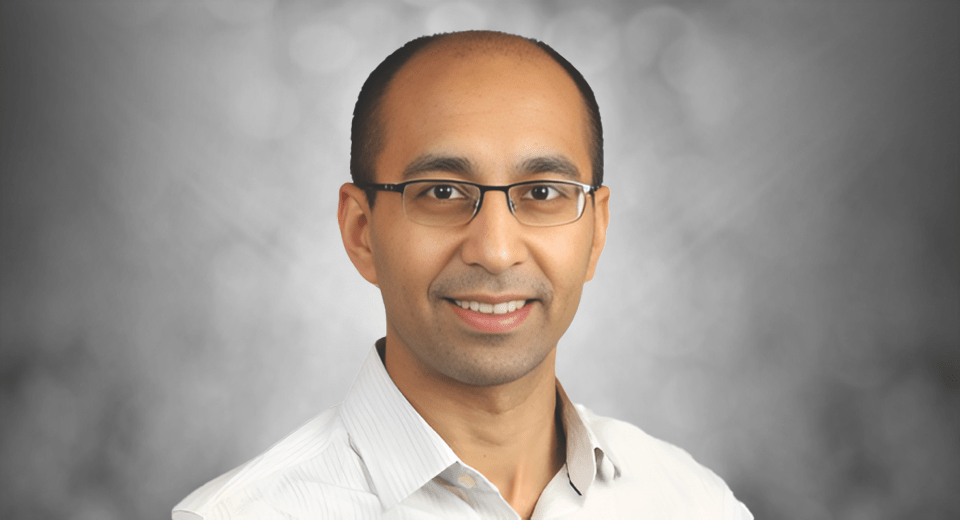
Satyen Gohil, MBBS, PhD, is a consultant haematologist at University College London Hospitals (UCLH) where he specializes in lymphoproliferative disorders and rare haematological disorders, including haemophagocytic lymphohistiocytosis (HLH), histiocytosis, and Castleman disease.
Why do rare diseases like HLH benefit from a national specialist panel rather than being managed locally? Patients with HLH can be extremely unwell, and the driver is often unclear. These patients can fall between specialties, making management challenging. Additionally, it can be difficult to get all the right specialists in the same room at the same time. One of the benefits of the national panel is that it brings together a broad range of experts, all of whom have managed large numbers of patients from across medical specialties who can all provide input at the same time. This can provide crucial support if it is difficult to facilitate this locally or to ensure nothing is missed.
Although HLH was once thought to be rare, it’s increasingly being recognised, and at the multidisciplinary team (MDT), we learn from each case that’s presented. There’s a great deal of knowledge within the panel, and we hope that this helps local clinicians.
The MDT can also provide reassurance for clinicians, patients, and families that a case has been discussed independently. In the majority of cases, local centres are already doing everything right, but given the complexity of these patients, discussion with peers can be helpful.
Who sits on the HLH national panel, and what expertise does the panel bring together? The national panel includes a mixture of different specialties. This includes rheumatologists, infectious disease specialists, and haematologists, which includes bone marrow transplant clinicians. We also have representation from microbiology, virology, neurology, and critical care. All of these specialties need to be present for the panel to be quorate.
In practical terms, how does a clinician refer a case, and how quickly can feedback be given? There are two main MDTs for HLH that accept referrals from across the country: one based at UCLH and the other in Sheffield. For the UCLH MDT, which runs every Monday at 11.45-12.45 and alternate Wednesdays at 17.30-18.30, a referral form is available online. Once the form is completed and submitted, the patient is registered and a time is allocated for discussion at a future meeting. We aim to provide feedback and discuss patients as quickly as possible. In particularly urgent or extreme cases where immediate input is required, it is sometimes possible to convene an ad hoc team to provide emergency advice. There is also an HLH advisory service that runs from 9 am to 5 pm, Monday to Friday and clinicians can contact UCLH directly and ask to speak with the HLH service.
What types of cases most often benefit from panel input, and when should clinicians consider referring? I think it works both ways. We learn a lot from each case that’s brought to the panel, and we hope to provide useful advice for clinicians. The cases are extremely variable, including uncertainty about whether a patient actually has HLH. What we don’t want to do is over-diagnose HLH, and when there is diagnostic uncertainty, it can be helpful to reach a consensus on whether the diagnosis is correct
Diagnostic dilemmas are common. Often, a clinical team knows a patient has HLH and is already managing it, but they still can’t work out what the underlying driver is. In those situations, we can advise on what might be missing and what to look for to best identify the driver.
Increasingly, we’re seeing cases where clinicians have expertly managed the acute phase of the HLH but need advice on withdrawal of immunosuppression, long-term follow-up, and next steps. We are also seeing more cases of immunotherapy-associated HLH, either related to cellular therapies or checkpoint inhibitors. One of the most recent additions to the MDT are oncologists with experience in checkpoint inhibitor toxicity, who can help determine the best way to manage these patients.
What is the single most important message you would want UK clinicians to remember about using national panels for rare diseases?That we are approachable, friendly, and happy to give advice. We hope that we’re useful and supportive because this is a service designed to help clinicians. We’re always happy to be contacted to discuss cases.
During the HLH portion of the How I Treat or Manage session at SOHO UK, Dr. Gohil, along with Dr. Jessica Manson, discussed how the HLH multidisciplinary advisory panel works and how it supports clinicians. The following is a brief interview with Dr. Gohil edited for clarity and length.


Leave feedback about this