

Severe aplastic anemia (SAA) remains one of the most consequential non-malignant hematologic disorders, defined by profound bone marrow failure and life-threatening cytopenias. Although technically not a cancer, its natural history, treatment toxicity, and long-term complications have long demanded the same level of therapeutic urgency and innovation seen in malignant hematology. The rarity of SAA has never diminished the intensity of research in this field; rather, its curability has driven decades of progress aimed at restoring hematopoiesis efficiently, safely, and durably.
Idiopathic acquired SAA—characterized by marrow cellularity below 25% and severe cytopenias including ANC <0.5×10⁹/L, platelets <20×10⁹/L, and reticulocytes <60×10⁹/L—remains uniformly fatal without timely intervention. Immune suppression with horse ATG and cyclosporine has been the historical backbone of therapy, and the addition of eltrombopag has improved early response rates. Yet durability remains a major limitation, particularly in younger patients, where relapse, clonal evolution, and prolonged dependence on immunosuppression continue to shape long-term outcomes. Even in the modern era, relapse rates approach 40%, and evolution to myeloid neoplasms remains a persistent concern.
These realities underscore the need for therapeutic strategies that not only induce hematologic recovery but also eliminate the long-term evaluation of the goals of initial therapy as well as risks inherent to immunosuppressive therapy (IST)-based approaches.
Transformative transplantation
In parallel, allogeneic hematopoietic cell transplantation has undergone a profound transformation. Advances in HLA typing, reduced-toxicity conditioning, and supportive care have dramatically improved survival. Importantly, donor availability has expanded beyond matched siblings to include unrelated donors and haploidentical family donors, supported by the success of post-transplant cyclophosphamide (PTCy) in mitigating GVHD and enabling safe transplantation across HLA barriers. These developments have reshaped the therapeutic landscape, making curative transplantation feasible for many more patients with SAA.
Contemporary data now demonstrate that a uniform PTCy-based transplant platform can achieve survival exceeding 90% at three years across pediatric and adult populations, including those with treatment-naïve disease and those with relapsed or refractory SAA. Notably, this includes patients with very severe aplastic anemia (ANC <200×10⁹/L), a group historically associated with early mortality on IST. The rapid hematopoietic recovery, early cessation of immunosuppression, and freedom from transfusion dependence seen with this approach represent meaningful advantages over prolonged IST courses. When transplantation can be delivered with low early toxicity, minimal GVHD, and durable cure, the rationale for defaulting to IST, especially in younger patients, becomes increasingly difficult to justify.
The long-term consequences of IST further reinforce this shift. Even with eltrombopag-augmented regimens, event-free survival remains less than ideal at two years, and extended cyclosporine exposure, with its inherent toxicities, is required to maintain responses. Four-year follow-up data reveal relapse rates approaching 40% and clonal evolution around 15%, outcomes that inevitably lead many patients back to transplantation after years of cumulative toxicity, anxiety, and healthcare utilization. In contrast, modern transplant platforms eliminate clonal hematopoiesis, shorten the total duration of therapy, and reduce the long-term burden of medical surveillance when successful.
Transplant-related late effects remain important to monitor, including secondary malignancies, though the low-dose radiation used in contemporary conditioning regimens is less clearly implicated in solid tumor development than historical approaches. Early outpatient-focused transplant delivery models further reduce cost and resource utilization, making curative therapy more accessible and less disruptive to patients’ lives. It does remain a very personalized clinical decision, but patients should be given all options when possible to allow for informed choices.
Taken together, the field is approaching an inflection point. When a transplant platform offers cure, rapid hematopoietic recovery, minimal long-term immunosuppression, preserved fertility potential, and no greater early toxicity than IST, the justification for reserving transplantation as salvage becomes increasingly tenuous. While novel IST-based strategies and randomized trials continue to emerge, the overarching goal should be uniformity of approach, prioritizing short-term safety, and long-term benefit. For many patients with SAA—particularly the young and those with very severe disease—early allogeneic transplantation represents a compelling, contemporary standard that aligns with these principles.
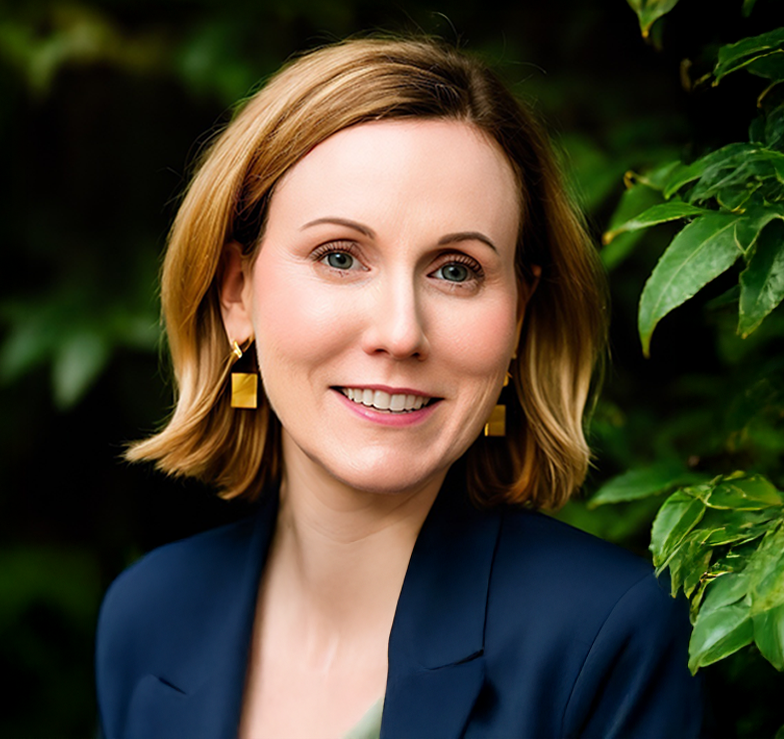
Amy DeZern, MD, MHS, is a Professor of Oncology at Johns Hopkins University School of Medicine.


Leave feedback about this