

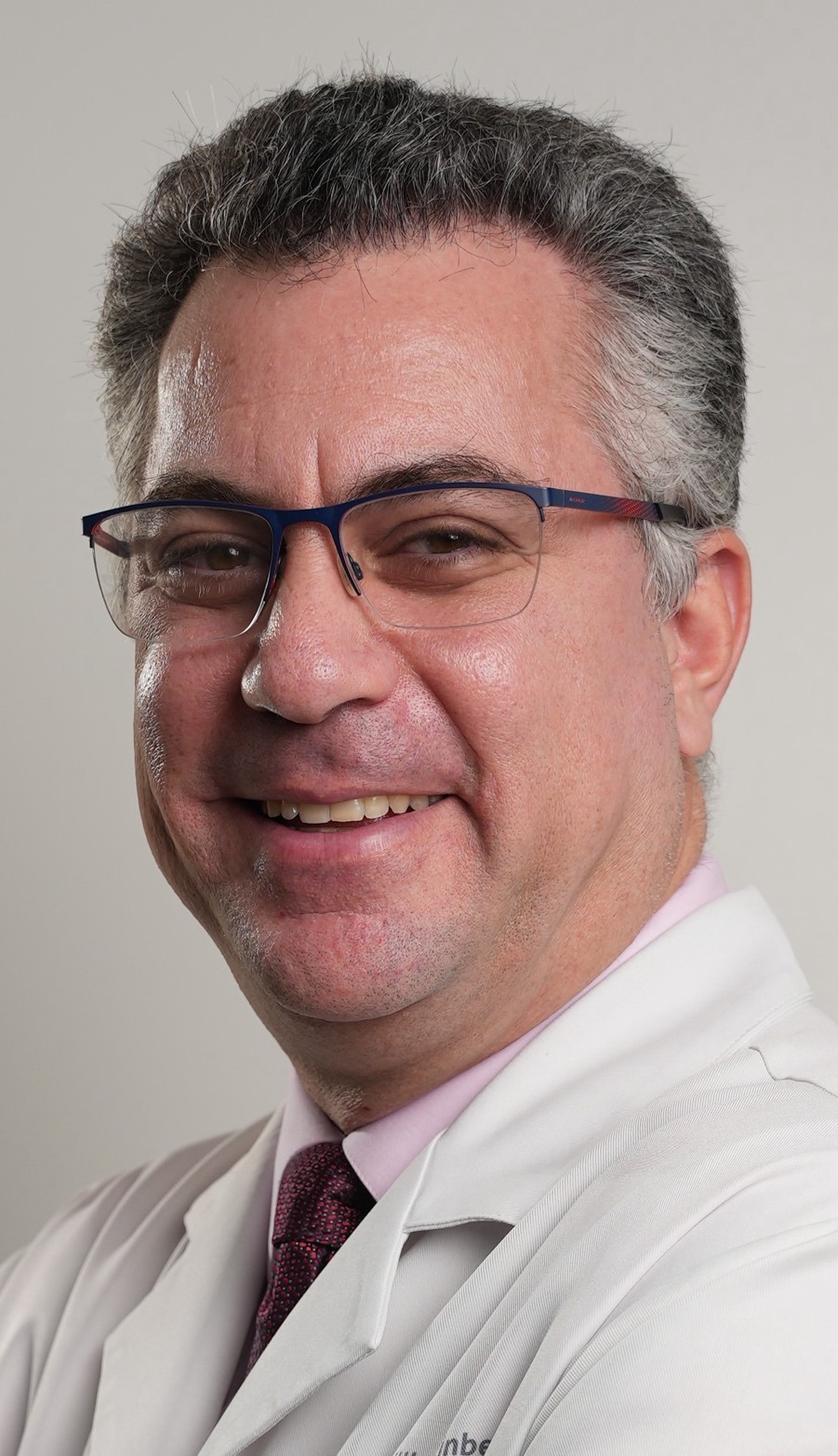
Since its early days, the Ambassador Program has been a cornerstone of the Society of Hematologic Oncology’s global growth. From the beginning, it was clear that for SOHO to become a truly representative international society, strong outreach and meaningful regional engagement would be essential.
The Ambassador Program was established to advance SOHO’s mission, increase awareness, and connect hematologists across diverse healthcare settings.
As one of the founding members of SOHO in 2012, I became closely involved in the Ambassador Program early on, representing Brazil. I have seen firsthand the impact this initiative can have. Over the years, it has been particularly rewarding to watch how ambassadors have helped build stronger connections between local communities and the broader SOHO network.
In recent discussions with ambassadors, this exchange of ideas has become even more evident. The structure and organization of regional meetings have also matured, reflecting a steady increase in engagement. Participation from physicians across different regions has grown significantly—both at regional meetings and at the society’s flagship annual meeting in Houston.
A program is born and quickly grows
In its early stages, the program included only a handful of ambassadors. As SOHO expanded, so did the program. Today, ambassadors from across multiple regions reflect the Society’s growing international presence. These individuals serve as important connectors, linking SOHO’s mission with local hematologists, institutions, and scientific communities.
Ambassadors play a key role in bridging global initiatives with local impact. They bring education and cutting-edge scientific knowledge to their regions, while also identifying and engaging colleagues who share a commitment to collaboration, leadership, and the dissemination of knowledge. Through this network, SOHO has built a truly international community dedicated to advancing hematologic oncology.
Global representation remains at the heart of the Ambassador Program. This diversity strengthens the society by enriching discussions, highlighting differences in access to care, and helping shape more inclusive
and globally relevant approaches to research and treatment.
Ambassadors act as liaisons between the society and their home institutions or regions. They help disseminate educational content, promote SOHO activities, and encourage participation in scientific meetings and collaborative initiatives. Through these efforts, they help ensure that high-quality, evidence-based education is accessible across the globe.
Importantly, this is a two-way exchange. Ambassadors also bring valuable insights from their regions, creating a continuous flow of knowledge that strengthens the society. This exchange allows SOHO to better understand regional challenges and opportunities and to continuously refine its global strategy.
Worldwide collaboration that is mutually beneficial
One of the most visible outcomes of the Ambassador Program has been the development of regional SOHO meetings. This initiative began in 2018 in Brazil—an early milestone in extending SOHO’s reach beyond its flagship activities—and has since expanded to multiple countries across Asia, Europe, the Middle East and Africa, and Latin America. These regional meetings have grown steadily and continue to expand,
with new initiatives being proposed almost every year.
I still remember the uncertainty surrounding the first regional SOHO meeting. During the planning stages in 2016 and 2017, SOHO was still a relatively young society, and there was understandable uncertainty about what this collaboration and partnership would ultimately look like.
At the time, however, we strongly believed there was a need for a more interactive and internationally connected educational experience in hematologic oncology—one that closely followed the model of the flagship SOHO meeting in Houston: a focused program dedicated exclusively to hematologic malignancies, a single-room format without competing sessions, disease-oriented blocks, cutting-edge topics, and leading international experts discussing the most relevant and rapidly evolving areas of the field.
What became immediately clear during that first meeting was the tremendous enthusiasm from the Brazilian hematology community and how well the model was received. This was evident not only among physicians, but also among nurses, trainees, and allied health professionals. The engagement was so strong that it naturally led to the creation of a parallel multidisciplinary program, which quickly became equally successful.
More importantly, the regional meeting helped expand awareness of SOHO and its mission while also strengthening interest in the society itself. Many participants who first engaged with SOHO through the Brazilian regional meeting later became interested in attending the annual meeting in Houston, further reinforcing the connection between local initiatives and the broader international hematology community.
Strengthening the community of hematologic oncologists
A highlight of the annual meeting in Houston is the ambassador meeting session, which brings together ambassadors from around the world to share updates on regional initiatives, exchange ideas, and learn from each other’s experiences. It provides a space for ambassadors to showcase their work, reflect on its impact, and identify new opportunities for collaboration. This interaction reinforces the sense of community within the program and helps align regional activities with SOHO’s broader mission.
For many early-career hematologists, involvement in the Ambassador Program can be a transformative experience. It opens doors to mentorship, collaboration, and exposure to leading experts and institutions. Many individuals who first engaged with SOHO through the program have gone on to take active roles within the society, with some becoming part of its leadership. This progression highlights one of the program’s greatest strengths: its ability to help develop future leaders in hematologic oncology.
The growth of the Ambassador Program has also contributed to the expansion of SOHO itself. Today, the society has more than 12,000 members worldwide, with representation continuing to grow across different regions. This reflects both the increasing relevance of SOHO and the success of the Ambassador Program in building a connected and engaged global community.
Ultimately, the Ambassador Program represents a strategic investment in the future of hematologic oncology. What began as an educational outreach initiative has evolved into a platform for leadership development, collaboration, and global engagement.
Through the dedication and energy of its ambassadors, SOHO continues to strengthen its impact—ensuring that knowledge is shared, connections are built, and the next generation of hematologists is not only empowered to lead but equipped to shape the future of the field.
Phillip Scheinberg, MD, PhD, is the chief of hematology at the Hospital A Beneficência Portuguesa de São Paulo in Brazil. He is the immediate past-president of SOHO and has served as the SOHO Ambassador to Brazil since 2014.
Leave feedback about this