

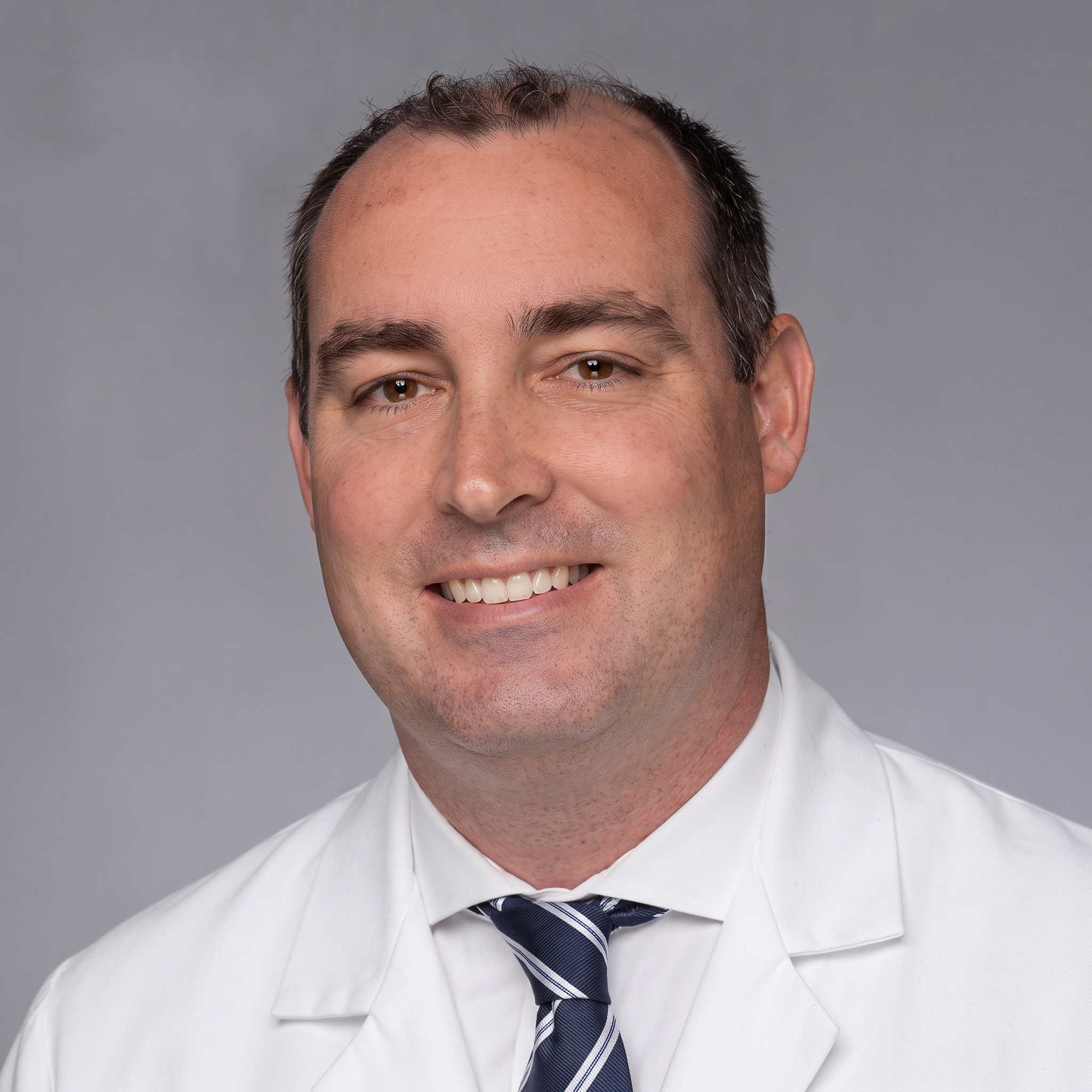
On Friday, September 11, Juan Pablo Alderuccio, MD, associate professor of medicine in the Division of Hematology and lymphoma clinical site disease group leader at Sylvester Comprehensive Cancer Center at the University of Miami Miller School of Medicine, will discuss strategies for treating relapsed or refractory diffuse large B-cell lymphoma (DLBCL) in patients whose disease progresses after chimeric antigen receptor (CAR) T-cell therapy and bispecific antibodies.
Outcomes for this post-CAR T-cell and post-bispecific patient population are exceptionally poor. Data from the French LYSA group demonstrated a two-year overall survival rate of only 31% following progression after CAR T-cell therapy and treatment with the CD20×CD3 bispecific antibody glofitamab.
“These are the patients with DLBCL that represent the current unmet need and the high-risk group population where further clinical trials need to be developed in order to improve outcomes,” Dr. Alderuccio said.
While approved options offer immediate availability, post-CAR T-cell remissions remain brief.
Dr. Alderuccio highlighted data from the ECHELON-3 trial supporting FDA-approved brentuximab vedotin with lenalidomide and rituximab as an option that can be provided in any clinic. Other approved choices show limited durability. Tafasitamab plus lenalidomide demonstrated a median progression-free survival of 1.7 months after CAR T-cell therapy, while loncastuximab tesirine yielded similarly brief remissions.
“The goal, if the patient achieves a remission, needs to be consolidation with allogeneic stem cell transplant because this is a potentially curative approach,” Dr. Alderuccio said. This strategy applies to complete responders following either standard or investigational therapies.
Investigational agents in development aim to overcome molecular heterogeneity and treatment resistance. Pipeline options include the CELMoD golcadomide, BCL6 degraders, and AstraZeneca’s CD19×CD3 bispecific surovatamig, which achieved complete response rates of 35.5% among patients previously treated with CAR T-cell therapy and 45.5% among those previously treated with bispecific antibodies.
Next-generation trispecific antibodies are also steadily emerging. PIT565, a CD19×CD2×CD3 trispecific antibody, was evaluated in a phase 1 clinical trial that is no longer recruiting, leaving its further development unclear. Johnson & Johnson’s CD79b×CD20×CD3 trispecific antibody, JNJ-80948543, remains under development, although no publicly available clinical data have been reported.
“I think that this combination is going to be the next step that we need to study in clinical trials,” Dr. Alderuccio said, referring to regimens that combine distinct mechanisms of action and resistance.
Leah Sherwood is the editorial director of SOHO Insider.



Leave feedback about this