

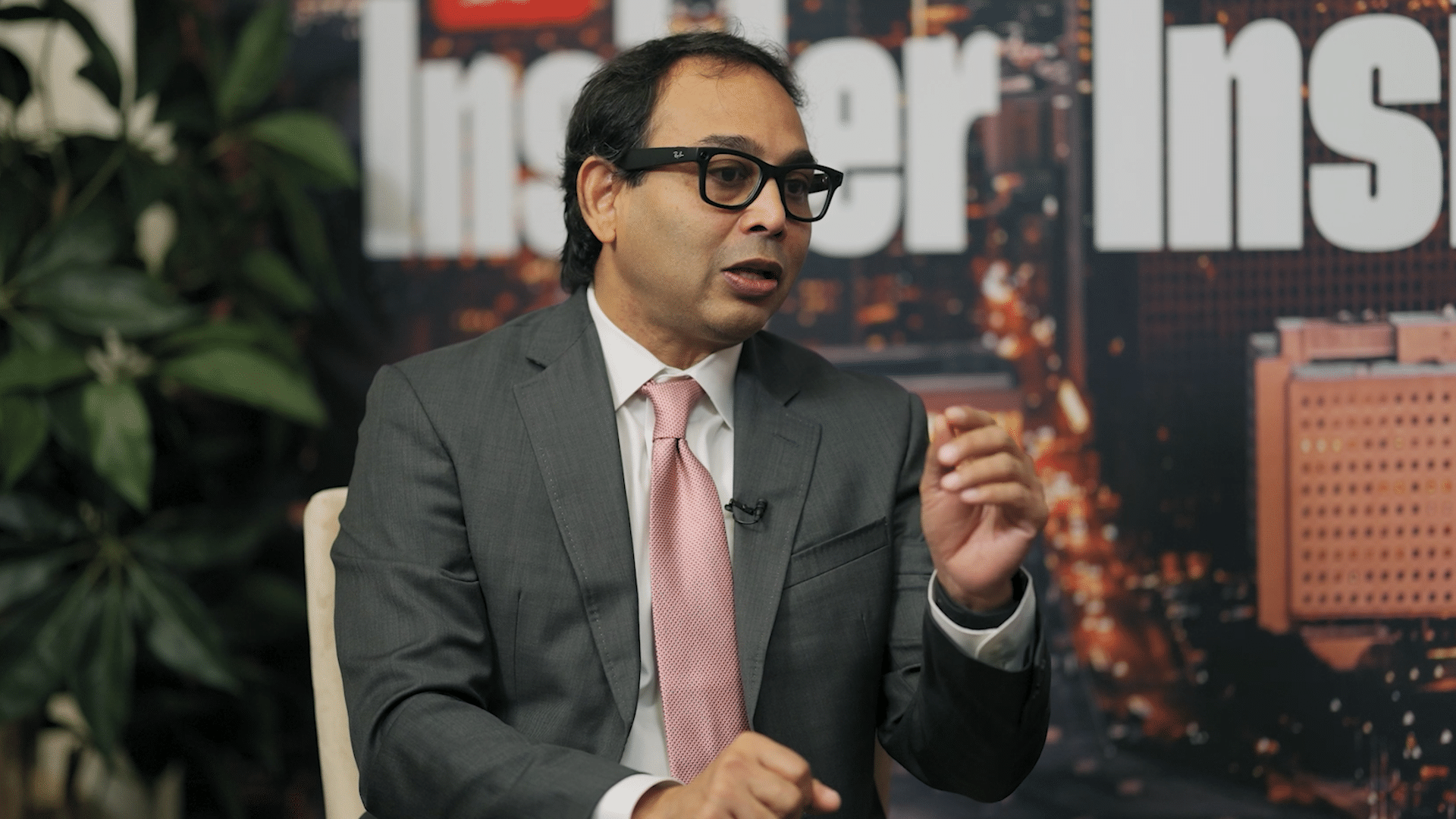
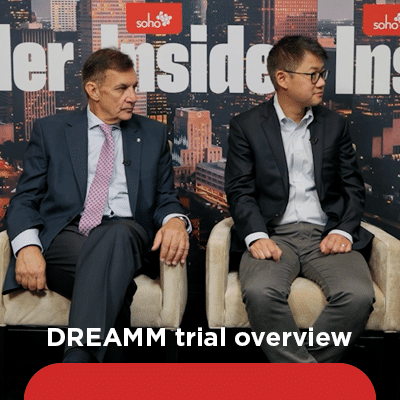
This video is part of a series of videos on the DREAMM studies.
Belantamab mafodotin has had an extraordinary drug development story.
In this discussion, the panel revisit the history of belantamab mafodotin, from DREAMM-2 and DREAMM-3 to the lessons that ultimately helped shape later studies, including DREAMM-7 and DREAMM-8. They discuss how ocular toxicity influenced the drug’s development, what researchers learned from alternative dosing strategies, and how the data changed the way investigators thought about using the BCMA-targeted antibody-drug conjugate.
The panel was moderated by Dr. Saad Usmani, chief of myeloma service at Memorial Sloan Kettering Cancer Center, along with panelists Dr. Meletios A. Dimopoulos, professor and chairman of the department of clinical therapeutics at the National and Kapodistrian University of Athens School of Medicine, Dr. Hans Lee, director of myeloma research at the Sarah Cannon Research Institute, and Dr. Ajay Nooka is a clinical member of the Cancer Prevention and Control Research Program at Winship Cancer Institute of Emory University.
“It’s a beautiful drug development story. It only took eight years, but now it’s available to you,” Dr. Nooka said in the video.
DREAMM-7 and DREAMM-8 evaluated belantamab mafodotin in combination regimens for relapsed or refractory multiple myeloma. DREAMM-7 tested belamaf with bortezomib and dexamethasone, while DREAMM-8 tested it with pomalidomide and dexamethasone.


Leave feedback about this