

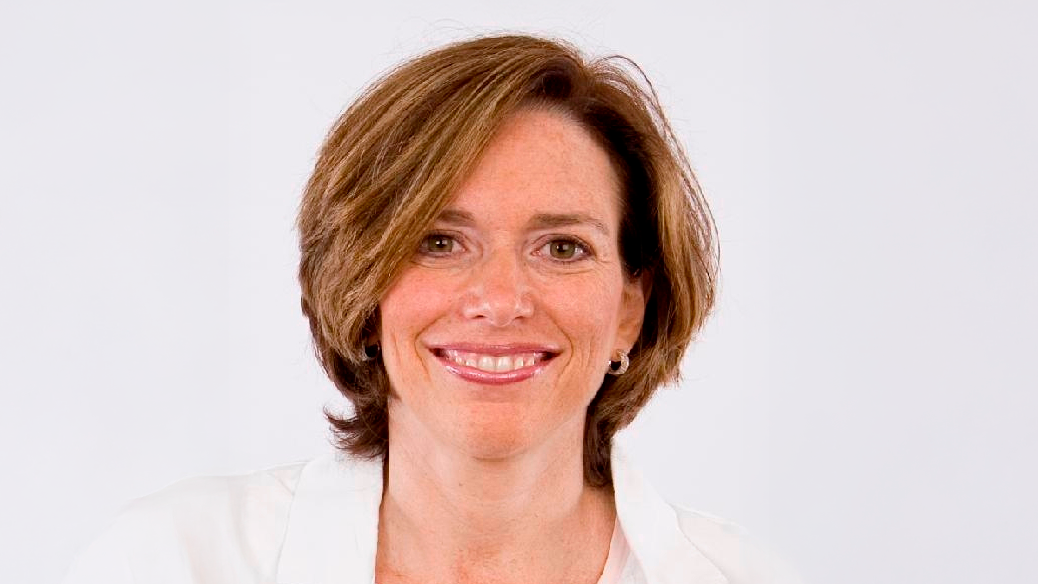
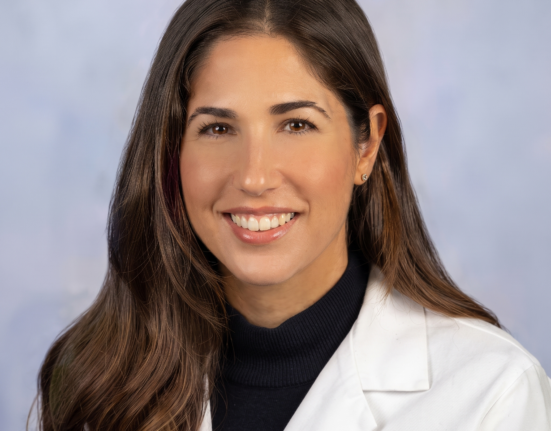
Selina Luger, MD, sits down with SOHO Insider to discuss the next questions in acute lymphoblastic leukemia (ALL) and the barriers to treatment, including toxicity to both the body and the wallet. She also reflects on her involvement with SOHO and the organization’s growth over the past dozen years.
“If you were to look at the cost of not using some of these agents and, for example, proceeding to an allogeneic transplant, it is probably less expensive in some cases to use these expensive agents than to undergo a transplant.”
What is SOHO’s role and contribution to the blood cancer community?
I’ve seen SOHO evolve over the dozen or so years since it was established. SOHO plays a unique role in bringing cutting-edge advances in hematologic malignancies to the broader hematology-oncology community. The society is furthermore distinguished by its commitment to education throughout the year, not just during the annual meeting, and its ability to connect clinicians, investigators, and trainees in the US and beyond, around the questions that matter most for patient care.
SOHO encourages people to think about the important questions that remain and helps them understand the questions being asked, in addition to the advances that have been made so far.
What are the remaining questions in ALL regarding the shift toward chemotherapy-free regimens?
What we have learned over the last few years is that the role of immunotherapy in ALL has increased and improved our patients’ outcomes. What we’ve seen in the Philadelphia chromosome (Ph)-negative population is that adding immunotherapy to chemotherapy enhances outcomes.
As we incorporate more immunotherapy into frontline treatment for Ph-negative ALL, one of the key questions is whether we can safely reduce chemotherapy exposure while maintaining excellent outcomes.
That’s one of the areas in which we’re hoping to move forward. As we incorporate more immunotherapy into frontline treatment for patients with Ph-negative ALL, we’re hoping to remove some of the chemotherapy.
In the Ph-positive population, we’ve already started moving in that direction. Some of the upfront regimens we are now looking at have no chemotherapy in them.
The questions are: What do we gain, and what do we have to worry about? A major concern in the Ph-positive population is how central nervous system (CNS) prophylaxis and CNS relapse need to be addressed if we’re not using chemotherapy.
How are new therapies impacting treatment sequencing in ALL?
Multiagent chemotherapy has always been the hallmark of ALL therapy. But I think we’re asking similar questions in ALL. With immunotherapy, do we need to start with chemotherapy and then move on to immunotherapy? Is immunotherapy best used only during consolidation or can it be added upfront?
When do we most want to use it? I think that’s a question in terms of the toxicity we see when immunotherapy is given to patients with aggressive disease. Sometimes it’s better to cytoreduce before giving immunotherapy. On the other hand, for patients who are not candidates for chemotherapy, including older patients, targeted therapies or immunotherapies may be the approach we want to use throughout their treatment.
We’ve also learned that immunotherapies can decrease the likelihood of needing a transplant. A key question is whether chimeric antigen receptor T-cell therapy should primarily serve as a bridge to transplant or whether, for select patients, it may eventually function as definitive consolidation therapy.
In the ALL world, we talk about initial therapy, followed by post-remission therapy or consolidation therapy and, when appropriate, a transplant. The question is: What should that sequence be? In whom should we include all the different parts of that sequence? When can we use only some of them? Does everybody need maintenance? Can some people avoid maintenance? Those are all questions that come up in the ALL patient population.
One of the areas we can examine, perhaps more so in the ALL world than in the lymphoma world, is the use of our newer techniques for detecting measurable residual disease. There are different techniques for the various ALL subtypes, and they can help us make decisions about what the treatment sequence should be and which parts of therapy each patient should receive.
What are the main barriers and progress regarding patient access?
I think there are two or three issues related to access, and they’re real issues. I think the simplest access issue is toxicity and the management of toxicity, as well as ensuring patients are aware of the toxicities, their characteristics, and when they should reach out to us.
But the other major access issue is a financial one. Many of these newer therapies are extremely expensive. Depending on the insurance a patient has available or the location, not just within the United States, but globally, many of these agents are not available in the way they have been studied as regimens and shown to be effective.
It brings up the question: How can you best use these agents? How can you minimize the financial impact? While many of these therapies carry significant upfront costs, it is important to consider the total cost of care. In some situations, effective use of novel therapies may decrease the need for more expensive interventions such as allogenic transplant, prolonged hospitalization for treatment, or treatment-related complications.
There are also challenges in terms of the way the agents are administered. Blinatumomab, which has been approved as consolidation therapy in ALL, has to be given as a continuous infusion for four weeks at a time. That is cumbersome for the patient.
Novel formulations and different ways of administering the agent are now being studied so that treatment will have less of an impact on patients and reduce the burden associated with receiving the therapy. Other similar agents with improved administration schedules are also being studied. These are all issues affecting patients that are being addressed through the development of novel agents and regimens.
What are the remaining questions for ALL heading into the SOHO Breakthroughs in Blood Cancers Virtual meeting on November 10?
What are the best approaches for older patients with ALL? One of the greatest unmet needs remains the treatment of older adults with ALL. While outcomes have improved dramatically overall, older patients have not always experienced the same degree of benefit. We need to continue developing regimens that are both highly effective and better tolerated and to continue to do correlative research studies to enhance our knowledge.
How can we optimize therapy for our older patient population, especially since they can’t always tolerate some of the more aggressive therapies.
One of the major questions is: How can we begin decreasing the amount of treatment and treatment-related toxicity?
Selina Luger, MD, is a professor of medicine at the University of Pennsylvania and has been involved with SOHO for approximately a decade, first joining the society as an invited speaker when the annual meeting was significantly smaller. Over time, her role expanded to include the Education Committee, where she served as the subcommittee chair for acute lymphoblastic leukemia until 2023. Currently, she serves on the Education and Steering Committees.


Leave feedback about this