

Preliminary phase 1 results of the inMMyCAR trial showed “promising clinical activity and manageable toxicities” associated with the investigative chimeric antigen receptor (CAR) T-cell therapy KLN-1010 in patients with multiple myeloma (MM).
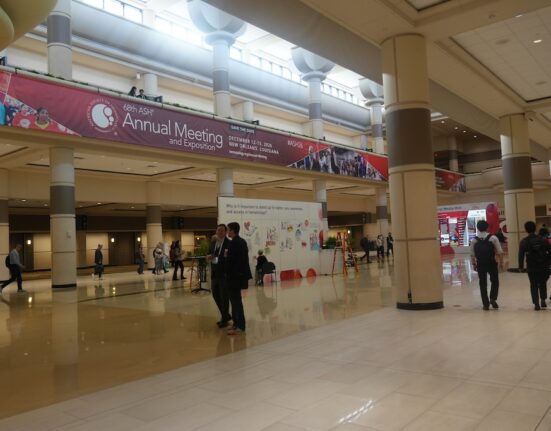
Results were presented by Phoebe Joy Ho, MBBS, DPhil, FRACP, FRCPA, of Royal Prince Alfred Hospital in Australia, as a late-breaking abstract at the 67th ASH Annual Meeting and Exposition.
KLN-1010 is a novel in vivo gene therapy that generates anti-BCMA CAR T cells and eliminates the need for apheresis, bespoke ex vivo cell manufacturing, or lymphodepleting chemotherapy, which “may broaden access to CAR-T therapies,” according to the authors.
The results presented show the outcomes of the first three patients (aged 61-72 years) dosed with KLN-1010. All patients had adequate end-organ and bone marrow function and received at least three prior lines of therapy, including a proteasome inhibitor, an immunomodulatory drug, and an anti-CD38 monoclonal antibody. All patients had high-risk cytogenetics, were BCMA therapy-naïve, and did not have extramedullary involvement.
All patients experienced treatment-emergent adverse events; two patients developed infusion-related reaction that occurred 30 to 60 minutes post-infusion and resolved within six to 48 hours.
Two patients experienced grade 2 cytokine release syndrome (CRS) during CAR-T expansion, which the authors said was “consistent” with what is seen with ex vivo CAR-T therapies. No immune effector cell-associated neurotoxicity syndrome or delayed neurotoxicity were reported. Cytopenias were “notably limited,” according to the researchers.
No grade ≥3 thrombocytopenia, grade ≥3 hematologic toxicity, or treatment-emergent infections were reported at month one. T-cell expansion occurred despite no preparative chemotherapy, with peak absolute lymphocyte counts between days 13 to 18 at 2.3, 7.37, and 43.1×10⁹/L. CAR-positive cells comprised 35%, 22%, and 72% of CD3+ lymphocytes on day 15.
CAR-T cells were detected in the bone marrow and peripheral blood through month three and were comprised predominantly of memory-phenotype T cells.
All patients were measurable residual disease (MRD)-negative (at 10-5 or 10-6 sensitivity) one month post-treatment, and MRD was sustained for more than three months in the patient with the longest follow-up.
All patients achieved a partial response at month one, which deepened over time. The best observed response was a very-good partial response at three months post-treatment. No patients experienced disease progression at the time of reporting.
The study is ongoing, and the researchers are expected to report additional follow-up.
Reference
Harrison S, Ho PJ, Lim SL, et al. Minimal residual disease (MRD)-negative outcomes following a novel, in vivo gene therapy generating anti–B-cell maturation antigen (BCMA) chimeric antigen receptor (CAR)-T cells in patients with relapsed and refractory multiple myeloma (RRMM): preliminary results from inMMyCAR, the first-in-human phase 1 study of KLN-1010. Abstract LBA-1. Presented at the 67th American Society of Hematology Annual Meeting and Exposition; December 6-9, 2025; Orlando, Florida.