

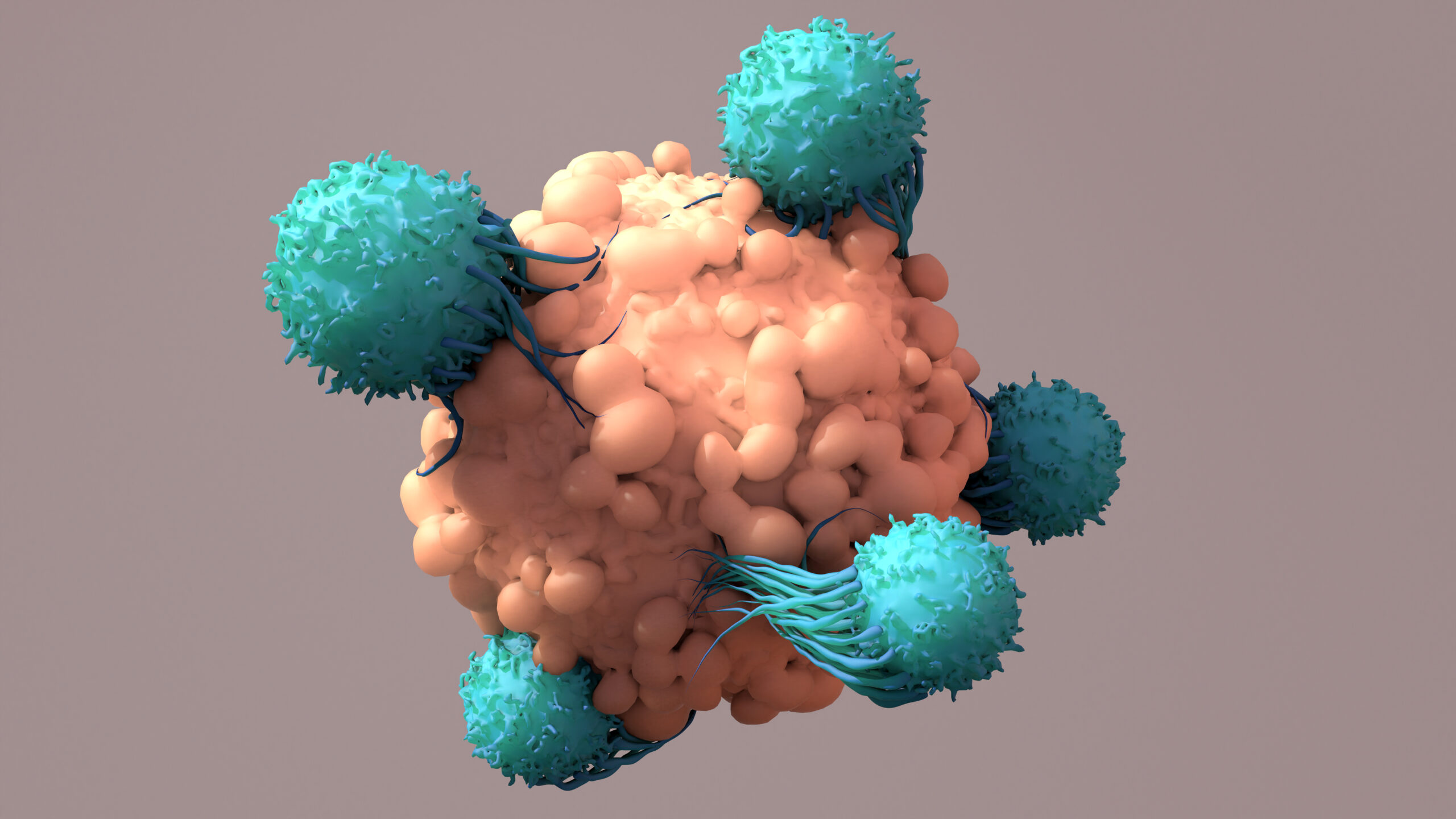
A real-world study found that following relapse or progression after chimeric antigen receptor (CAR) T-cell therapy in patients with multiple myeloma (MM), bispecific antibodies significantly improved overall survival (OS) and resulted in less hospitalizations compared with conventional chemotherapy.
Sumbal Aziz, MD, of Advent Health in Sebring, Florida, and colleagues presented the findings at the 2026 SOHO Annual Meeting.
The retrospective cohort study used de-identified electronic health record data from the TriNetX network from 2010 to 2025 to identify adults who received BCMA-directed CAR-T followed by:
- Bispecific antibodies, including teclistamab, elranatamab, linvoseltamab, and talquetamab (n=150)
- Conventional chemotherapy, including selinexor-based regimens, alkylators, proteasome inhibitors, immunomodulatory agents, and anti-CD38 monoclonal antibodies (n=150)
One-year OS probability was higher in the bispecific cohort compared with chemotherapy (38.2% vs 32.6%; P<0.01). Bispecifics were associated with a significantly lower hazard of death (hazard ratio, 0.65; 95% CI, 0.30-0.70), inducing a nearly 40% relative reduction in mortality risk.
Within one year, hospitalizations occurred in 72.0% of bispecific-treated patients versus 80.7% receiving chemotherapy (P=0.08).
“These findings support [bispecifics] as an effective post-CAR-T strategy and warrant prospective validation,” the authors concluded.
Reference
Aziz S, Lee WJ, Munir ABI, et al. Real-world comparative survival and hospitalization outcomes after CAR-T relapse in relapsed/refractory multiple myeloma: bispecific antibodies versus conventional chemotherapy. Abstract MM-1417. Presented at the 2026 Society of Hematologic Oncology Annual Meeting; September 9-12, 2026; Houston.



Leave feedback about this