

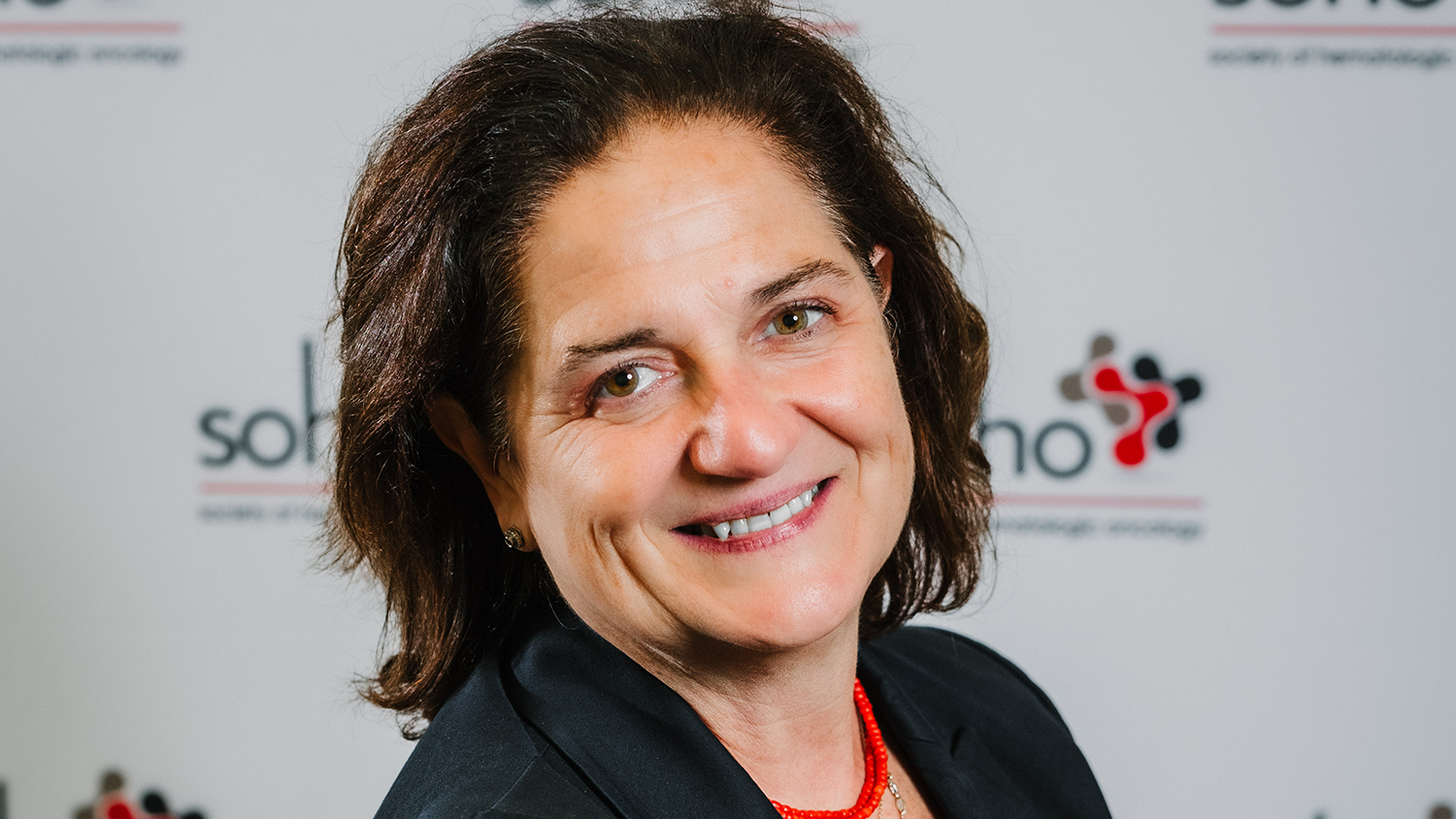
“While the goal of clinicians to improve outcomes for our patients is universal, the way we build research programs in Europe can differ greatly from the United States,” Dr. Santini writes in this letter.
Dear colleagues,
As the incoming SOHO president for 2026–2027, it is my great pleasure to welcome you to the SOHO 2026 Annual Meeting. This year’s meeting theme, Advancing Care Through Collaborative Science, was chosen by outgoing SOHO President Dr. John DiPersio.
The theme is both timely and important, and I would like to share my perspective as a clinician practicing in Europe on what collaborative science looks like from a European point of view.
While the goal of clinicians to improve outcomes for our patients is universal, the way we build research programs in Europe can differ greatly from the United States.
In Europe, collaboration is often the foundation of how research begins, as there are relatively few opportunities for individual investigators to build research programs entirely on their own. With the exception of programs such as the European Research Council grants, many of our major funding opportunities are designed around collaboration.
Many European funding programs require investigators from several countries to work together from the beginning of a research project. Before a single grant proposal is submitted, we identify the expertise needed to advance the program. For instance, if my research team does not have a particular technique or specialized laboratory, we look for collaborators who provide that expertise. Together, we build the project, demonstrate the feasibility at each participating center, and submit a single proposal.
This approach is intellectually stimulating because it brings together different expertise that no single center may have. It is also a challenge. Building a collaborative project takes time, coordination, and a great deal of preparation. Yet, I have found that these partnerships often strengthen both the science and the questions we are trying to answer. It gives us access to methods that may not exist in our own laboratories and allows us to learn from colleagues whose experiences are different from our own.
From my perspective, this process differs from the way many projects are developed in the United States, where an investigator often builds a proposal within a single institution. In Europe, my first question is usually not, “How do I develop this project?” It is, “Who should I work with to make this project possible?”
Collaborative science also requires patience. It takes time to build consensus and coordinate across institutions. It means sharing ideas at an early stage and trusting others to strengthen them. This is not always the easiest way to work, but I believe it often leads to better science.
Many European funding programs also encourage the inclusion of countries with fewer research resources. I think this is important because it creates opportunities for collaboration that might not otherwise develop and brings different expertise into a project.
This is where organizations such as SOHO have an important role to play. By bringing together investigators from around the world, SOHO creates opportunities for conversations to become collaborations. Many research partnerships begin with a discussion at a scientific meeting. Those relationships often continue long after the meeting has ended and can grow into projects that advance our understanding of disease and improve patient care.
As Dr. DiPersio said in his welcome address, scientific progress does not happen in a vacuum: We must create the environment to advance treatments. Part of that environment is collaborating and building relationships. Many of the questions we face cannot be answered by one laboratory or one institution alone. They require different expertise and a willingness to work together toward a common goal.
I look forward to officially stepping into my role as the next president of SOHO. Until then, I leave you with this thought: the next time you pass a colleague in a hallway here or at another meeting, remember that the next major treatment advance in patient care may begin with a simple conversation.
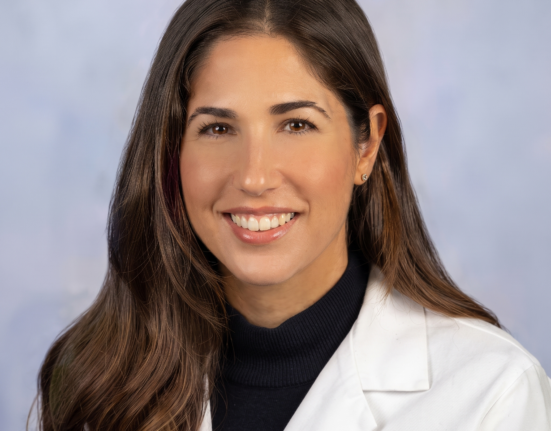
Valeria Santini, MD, is an associate professor of hematology at the University of Florence Medical School in Italy. She is SOHO president-elect and assumes the role of presidency on September 12, 2026.


Leave feedback about this